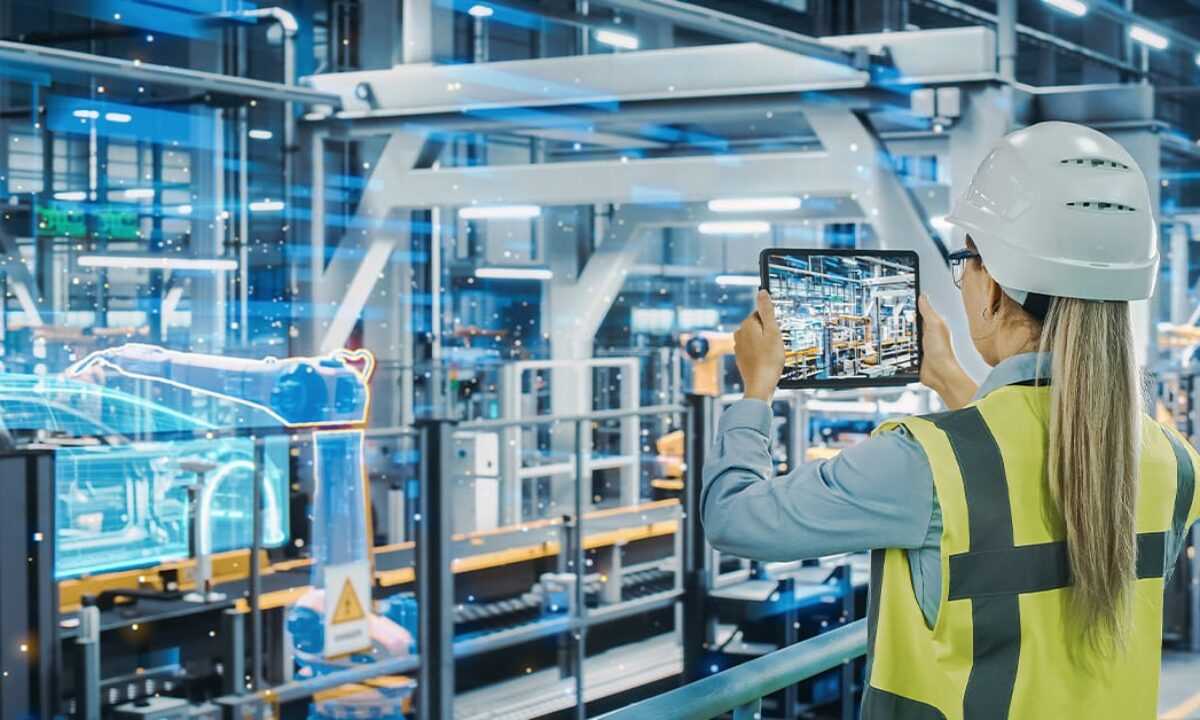
Technology continues to transform the way factories and industrial plants operate. As industries face increasing demands for efficiency, safety, reliability, and productivity, modern technologies are becoming an essential part of industrial operations.
From automation and monitoring systems to advanced electrical infrastructure, technology helps businesses improve processes while maintaining reliable and safe working environments.
The Growing Role of Technology in Industry
Modern factories and industrial plants rely on interconnected systems to support production, maintenance, safety, and operational management.
Technology can help industrial companies:
-
Improve operational efficiency
-
Increase productivity
-
Reduce equipment downtime
-
Improve workplace safety
-
Monitor equipment and processes
-
Optimize maintenance activities
-
Support better decision-making
As industrial operations become more complex, integrating the right technologies can provide businesses with greater visibility and control over their processes.
Automation in Modern Factories
Automation is one of the key technologies shaping modern manufacturing environments. Automated systems can perform repetitive and complex tasks with greater consistency while allowing employees to focus on higher-value activities.
Industrial automation may include:
-
Programmable logic controllers (PLCs)
-
Sensors and monitoring systems
-
Industrial control systems
-
Automated production equipment
-
Motor control systems
-
Data acquisition systems
-
Industrial communication networks
When properly implemented, automation can help improve production consistency, reduce manual errors, and increase operational efficiency.
Smart Monitoring and Data
The ability to collect and analyze operational data has become increasingly important for modern industrial facilities.
Monitoring systems can provide information about equipment performance, energy consumption, production processes, and operating conditions.
This information can help companies:
-
Identify potential equipment issues.
-
Monitor operating conditions in real time.
-
Improve maintenance planning.
-
Identify opportunities for greater efficiency.
-
Support data-driven operational decisions.
By having better access to operational data, industrial teams can respond more quickly to changes and potential problems.
Reliable Electrical Infrastructure
Technology and automation systems depend on reliable electrical infrastructure. Electrical components must be selected according to the specific requirements of the installation and operating environment.
Products such as cable glands, conduit systems, fittings, enclosures, and other electrical components play an important role in supporting industrial installations.
For demanding applications, product selection may need to consider factors such as:
-
Environmental conditions
-
Cable specifications
-
Material requirements
-
Protection requirements
-
Installation conditions
-
Applicable standards
-
Certification requirements
Choosing appropriate components can help support the reliability and long-term performance of industrial electrical systems.
Safety in Industrial Environments
Safety remains a fundamental consideration when implementing technology in factories and industrial plants.
Industrial facilities may operate in environments exposed to dust, moisture, chemicals, high temperatures, mechanical stress, or potentially hazardous atmospheres. In such environments, equipment and electrical components must be suitable for the conditions in which they are installed.
A reliable industrial technology strategy should therefore consider both operational performance and safety requirements.
Technology and Predictive Maintenance
Modern monitoring technologies are also changing the way companies approach equipment maintenance.
Instead of relying only on fixed maintenance schedules, companies can use operational data and equipment monitoring to identify potential problems before they lead to significant downtime.
A predictive maintenance approach can help businesses:
-
Detect abnormal operating conditions
-
Identify potential equipment failures
-
Reduce unplanned downtime
-
Improve maintenance planning
-
Extend equipment service life
This can contribute to more efficient and reliable industrial operations.
Building Connected Industrial Facilities
As factories become increasingly connected, different systems need to work together efficiently. Automation, electrical infrastructure, monitoring systems, and industrial networks all contribute to the overall performance of a modern facility.
Building a connected industrial environment requires careful planning and consideration of:
-
System requirements
-
Equipment compatibility
-
Electrical infrastructure
-
Communication systems
-
Safety requirements
-
Maintenance and future expansion
A well-planned infrastructure can make it easier for businesses to adapt as their operational requirements evolve.
Preparing for the Future
Industrial technology will continue to evolve as businesses seek greater efficiency, reliability, and flexibility.
Companies that invest in suitable technologies and reliable infrastructure can be better prepared to respond to changing market requirements and increasingly complex industrial operations.
The future of industrial facilities will likely involve greater automation, improved connectivity, more advanced monitoring, and increased use of operational data.
Conclusion
Advanced technology is playing an increasingly important role in modern factories and industrial plants. From automation and monitoring to reliable electrical infrastructure, each component contributes to creating more efficient, connected, and reliable industrial environments.
By combining appropriate technology with reliable products, effective planning, and strong technical support, businesses can build industrial facilities that are better prepared for today's demands and future challenges.